PCP Air Rifle Maintenance: A Guide for Peak Performance
A Pre-Charged Pneumatic (PCP) air rifle is a marvel of engineering, capable of incredible precision and power. Like any high-performance instrument, from a sports car to a fine watch, it requires routine care to maintain its function and accuracy over the long term. Proper PCP air rifle maintenance isn’t a chore; it’s an essential part of the ownership experience that protects your investment and ensures your rifle is always ready for the range.
This guide will walk you through the core pillars of PCP care: seals, fills, cleaning, and storage. Before performing any maintenance, always ensure your air rifle is completely degassed, unloaded, and the safety is engaged. Always wear appropriate eye protection and treat every airgun as if it were loaded. Remember that airgun laws vary, so always check your local regulations. This guide is for informational purposes for adults (18+).
O-Rings: The Unsung Heroes of Your PCP
The entire function of a PCP rifle relies on its ability to hold air at extremely high pressures—often 3,000 PSI or more. This critical task falls to a series of small, inexpensive, yet vital components: O-rings. These synthetic rubber seals are located throughout your rifle, and they are the most common point of failure. Understanding how to care for them is the first step in PCP maintenance.
When and Why Seals Fail
An air leak is the most obvious sign of a failed seal. You might hear a faint hiss, notice the pressure gauge dropping significantly overnight, or experience a sudden drop in velocity and consistency at the target. Leaks are typically caused by:
- Age and Dryness: Over time, O-rings can dry out, become brittle, and crack.
- Debris: A tiny piece of grit or dirt introduced during filling can get trapped against a seal, creating a slow leak or tearing the O-ring.
- Improper Lubrication: Using the wrong type of lubricant (like petroleum-based oils) will quickly destroy your seals.
- Damage during Installation: Pinching or nicking an O-ring during reassembly is a common cause of immediate leaks.
Proactive Seal Care and Replacement
The best way to fix a leak is to prevent it. The most important O-rings to maintain are on your fill probe and your bolt or side lever. Before each fill, apply a microscopic amount of 100% pure silicone grease or silicone oil to the O-rings on your fill probe. This lubricates them, helps them create a better seal, and prevents them from getting nicked by the fill port. Periodically, you should also apply a tiny amount to the O-ring on your rifle’s bolt to ensure smooth cycling and a perfect seal at the breech.
Crucially, you must ONLY use 100% pure silicone lubricants. Petroleum-based products like WD-40, Rem Oil, or general-purpose grease will cause rubber O-rings to swell, soften, and disintegrate. Worse, under the high pressure and temperature changes inside a PCP, petroleum distillates can combust in a phenomenon known as “dieseling,” which can cause catastrophic damage to the rifle and pose a serious safety risk.
Replacing external seals like those on the fill probe or bolt is typically a simple process. We highly recommend purchasing a spare O-ring kit specific to your rifle model and keeping it on hand. For more complex internal leaks from the regulator or valve assembly, consult your rifle’s manual. If you aren’t comfortable disassembling the core components of your rifle, it’s best to seek the help of a qualified airgunsmith.
Clean, Dry Air is Non-Negotiable
The air you put into your rifle is just as important as the pellets you shoot out of it. The number one enemy to the internal health of your PCP is moisture. When you compress air, any water vapor in it can condense into liquid water inside your rifle’s air cylinder. This can lead to internal rust and corrosion on critical steel components like the valve, hammer spring, and even the inside of the air cylinder itself. This corrosion can ruin your rifle’s performance and safety.
Best Practices for Hand Pumps
Hand pumps are convenient but are also the most likely to introduce moisture. To minimize this, use long, smooth, continuous strokes rather than short, fast ones. This keeps the pump’s internal temperature more stable. Most importantly, use a pump that features a desiccant filter system to trap moisture. Bleed the pump’s valve every few minutes to expel any condensed water, and be sure to replace the desiccant material as recommended by the manufacturer.
Best Practices for Compressors and Tanks
High-pressure air compressors should always be run with an effective water separator and filtration system. Check and drain these filters regularly. If you fill from a carbon fiber or SCBA tank, ensure you get it filled at a reputable source like a professional dive shop that guarantees dry, filtered breathing air. Before connecting your fill whip to your rifle, it’s good practice to “crack” the tank valve open for a split second to blow out any dust or moisture that may have settled in the valve outlet.
Keeping Your Barrel and Action in Top Shape
While internal care is paramount, maintaining the barrel and exterior of your rifle is essential for accuracy and longevity.
Barrel Cleaning: Less is More
Unlike firearms, PCP air rifles do not contend with burnt powder residue. Fouling in an airgun barrel is primarily composed of lead dust and trace amounts of lubricant from the pellets. For this reason, you should not clean your barrel on a fixed schedule. The time to clean your barrel is when you notice accuracy beginning to degrade. For some rifles, this might be after 500 shots; for others, it could be 5,000. Let the target tell you when it’s time.
When you do clean, use a pull-through cleaning cord or heavy fishing line with appropriately sized cotton patches. Avoid using a hard, jointed metal rod, which can damage the delicate rifling or crown. Use a dedicated airgun barrel cleaner or a gentle solvent. Pull patches from the breech to the muzzle until they come out clean. Follow with a final dry patch.
Exterior Care
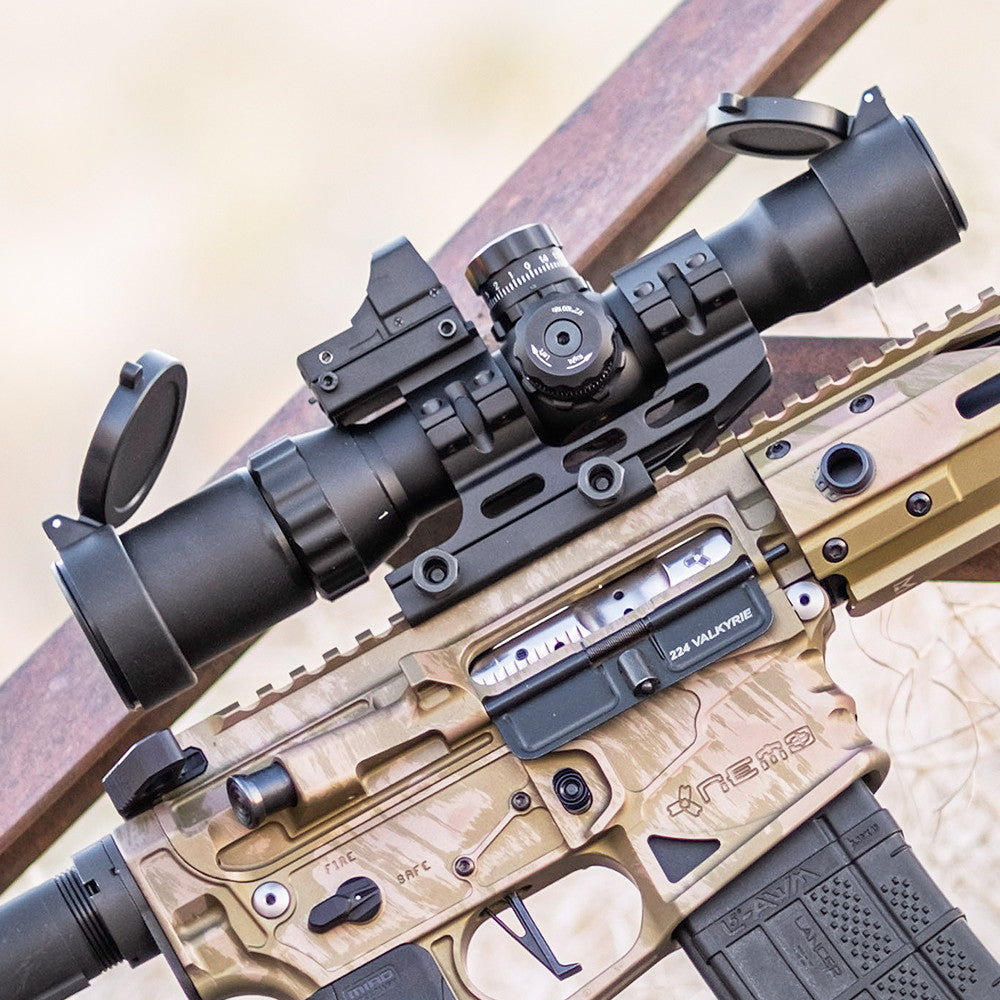
After handling, wipe down all metal surfaces with a soft cloth lightly treated with silicone oil. This removes corrosive fingerprints and provides a thin protective barrier against humidity. Periodically, check that all screws on your stock and scope mounts are snug, as the vibration of firing can loosen them over time. Be careful not to overtighten.
Proper Storage for Longevity
How you store your PCP rifle between uses is critical. The most important rule is to never store your rifle completely empty (at 0 PSI). PCP air rifles are designed to have their internal valve components and seals held in place under pressure. Storing them empty can cause seals to unseat, deform, and allow dust or moisture to enter the system. While you shouldn’t store it at the maximum fill pressure, keeping it pressurized in the lower end of its operating range—typically 1,500 to 2,000 PSI—is ideal. This keeps all seals seated and the system closed. Always consult your owner’s manual for model-specific recommendations.
Store your rifle in a location with stable temperature and low humidity, inside a padded hard case if possible. And as always, store your airgun unloaded, with the safety on, and secured from access by children or other unauthorized individuals.
| Maintenance Task | Key Takeaway |
|---|---|
| Seal Lubrication | Use 100% pure silicone oil/grease ONLY. |
| Filling | Use a desiccant/filter system to ensure dry air. |
| Barrel Cleaning | Clean only when accuracy degrades, not on a fixed schedule. |
| Storage | Store partially pressurized (e.g., 1500-2000 PSI), not empty. |
A Routine for Reliability
By integrating these simple PCP air rifle maintenance steps into your routine, you ensure your rifle will deliver the performance you expect for many years. A little proactive care for your seals, a commitment to clean and dry air, and proper storage habits will pay dividends in accuracy, reliability, and peace of mind.
When you’re ready to test your freshly-tuned rifle, make sure you’re feeding it the best. We offer a wide variety of premium pellets and slugs to match any barrel. And if you’re looking to upgrade your targeting system, browse our selection of optics and sights to find the perfect match for your shooting discipline. To see our full line of precision airguns and accessories, shop our range today.