What Defines a Big Bore Air Rifle?
When you hear shooters talk about a “big bore air rifle,” they’re referring to a class of Pre-Charged Pneumatic (PCP) rifle that leaves standard calibers in the dust. While there’s no official industry standard, the term generally applies to airguns of .30 caliber and larger, including popular options like .357, .45, and even .50 caliber. These aren’t your backyard plinkers. A modern big bore air rifle, like some of the powerful AEA models, is a serious tool capable of launching heavy lead slugs with hundreds of foot-pounds of energy—levels that rival some centerfire pistol cartridges.
Why Step Up to a Big Bore?
The primary reason shooters choose a big bore air rifle is power. The dramatic increase in projectile weight and energy opens up new possibilities that are simply out of reach for .177, .22, or .25 caliber airguns.
Serious Power for Hunting
For hunters, this power translates directly to the ethical and effective harvesting of larger game. In jurisdictions where it is legal, big bore air rifles are commonly used for animals like feral hogs, coyotes, javelina, and even deer. The massive energy dump from a heavy, large-diameter slug creates a devastating wound channel. However, it is absolutely critical that you check your state and local hunting regulations, as laws regarding airgun hunting, caliber restrictions, and required energy levels vary significantly.
Superior Long-Range Performance
The heavy projectiles fired by a big bore air rifle are also far less susceptible to wind drift than lightweight diabolo pellets. This ballistic stability makes them an excellent platform for shooters looking to push their limits and engage targets at 100, 150, or even 200+ yards. The challenge and reward of making consistent long-range hits with an airgun is a discipline all its own.
Key Differences from Smaller Calibers
Moving up to a big bore requires a shift in mindset and equipment. Here’s what to expect:
- Massive Air Consumption: These rifles are air-hungry. A single shot from a .45 caliber rifle can use as much air as dozens of shots from a .22. Hand-pumping is not a practical option. You will need a high-pressure compressor and a large carbon fiber tank (4500 PSI) to keep you shooting without frustration.
- Specialized Ammunition: Big bores shoot heavy, solid lead slugs or cast bullets, not the familiar wasp-waisted pellets. This ammunition is more expensive and less widely available than standard pellets. Finding the specific slug weight and diameter that your rifle’s barrel prefers is a key part of the tuning process.
- Noticeable Recoil and Report: While not as harsh as a powder-burner, a powerful big bore has a distinct recoil impulse and a loud muzzle blast. It’s significantly louder than a small-caliber PCP. Depending on your shooting environment, hearing protection may be a good idea, and you’ll want to be mindful of your neighbors.
Essential Gear for Big Bore Success
To get the most out of your big bore air rifle, you need the right support gear. This is not an area to cut corners.
Optics and Ammunition
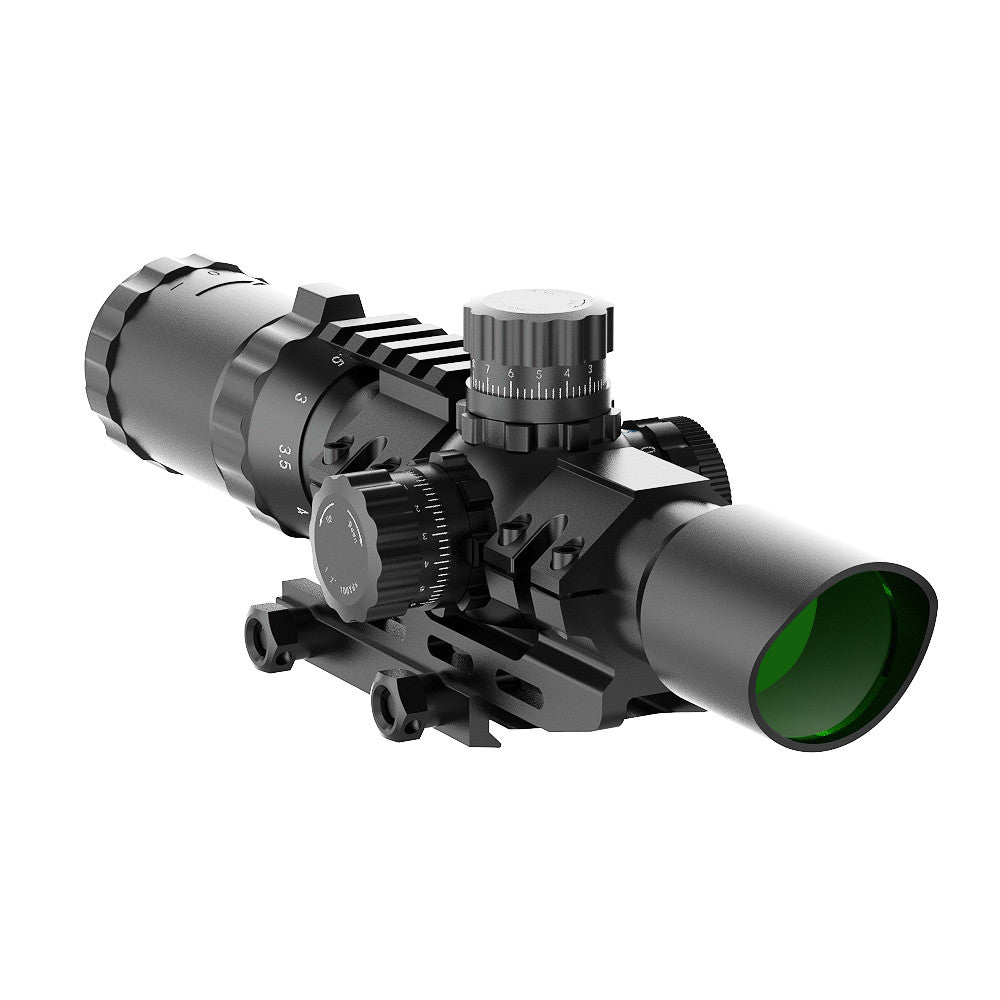
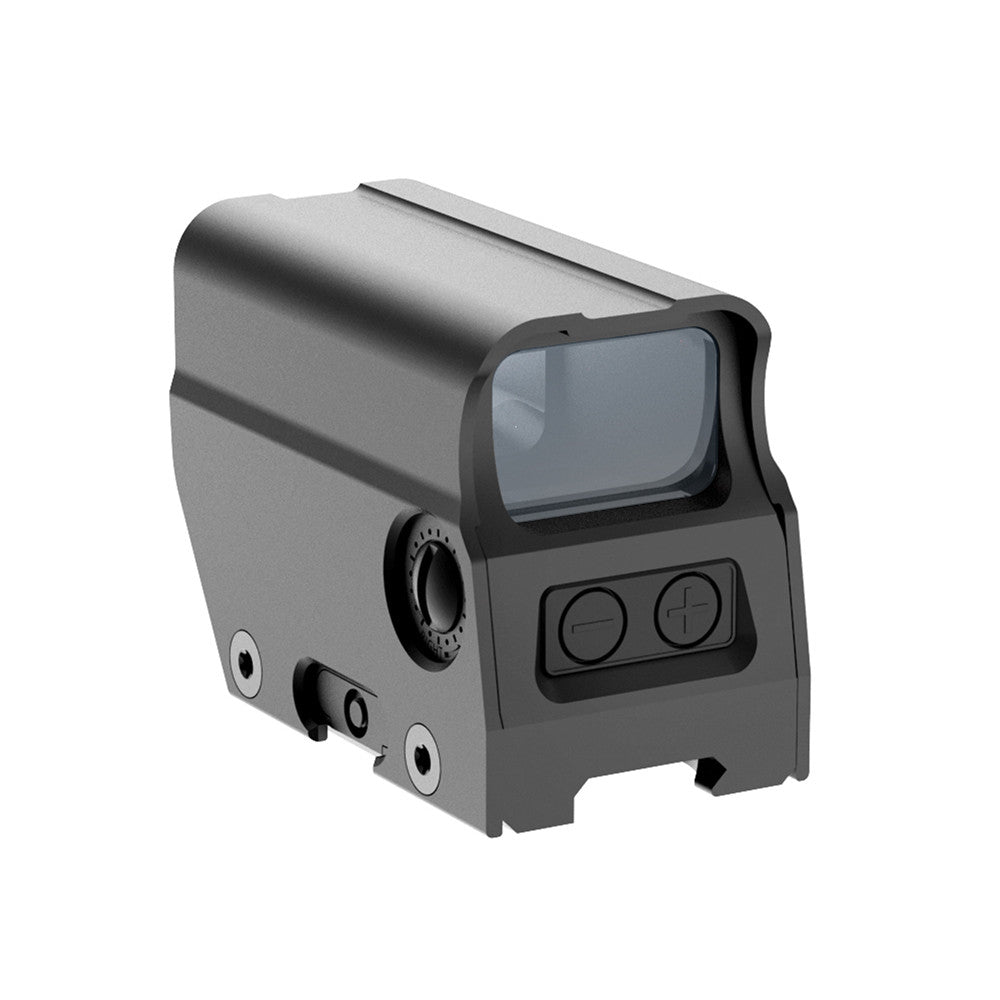
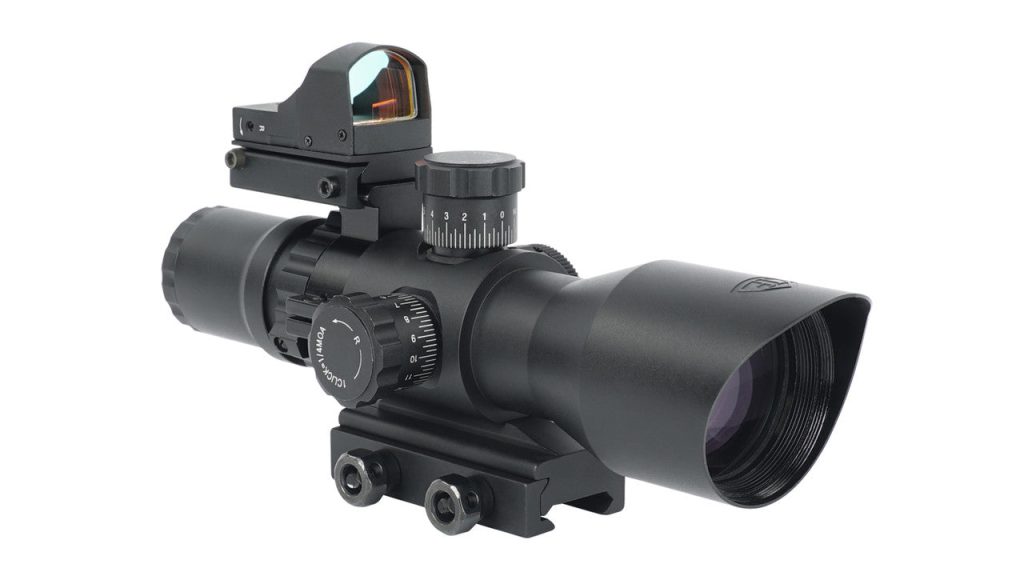
The power and recoil of these rifles demand a durable scope. Look for optics rated for springer airguns or even firearms, as the unique recoil impulse can destroy lesser scopes. You’ll want quality glass to see your targets clearly at extended ranges. We have a great selection of durable optics and sights built to handle the job. Equally important is finding the right ammo. Plan on testing different slugs to see what groups best in your rifle. You can explore a variety of heavy-hitting pellets and slugs on our site.
Big Bore Air Rifle Safety is Paramount
The power of these airguns demands the utmost respect. Always adhere to the fundamental rules of firearm safety.
- Treat every airgun as if it is loaded.
- Always keep the muzzle pointed in a safe direction.
- Know your target and what is beyond it. A slug from a big bore can travel a very long way and will easily pass through backstops that would safely stop a smaller caliber pellet.
- Always wear proper eye protection.
Remember, these are adult sporting implements intended for use by those 18 years of age and older. Before you buy or shoot, verify all local, state, and federal laws concerning airgun ownership and use in your area.