How Far Can a PCP Air Rifle Shoot Accurately?
It’s one of the most common questions we hear: “What’s the maximum accurate range of a PCP air rifle?” The honest answer is complex because it’s not a single number. The effective PCP air rifle range depends on a system of interacting factors: the rifle’s caliber and power, the projectile you’re shooting, the quality of your optics, and your skill as a shooter. Let’s break down what’s realistically achievable. As always, remember that airguns are not toys. All shooting should be done by adults (18+) or under close adult supervision, using proper eye protection and a safe, reliable backstop.
The Core Factors Defining PCP Air Rifle Range
Before we talk about distances, we have to understand the variables that get you there. “Accuracy” itself is subjective, but for our purposes, let’s define it as consistently placing shots on a reasonably sized target, like a tin can at 50 yards or a steel plate at 150.
Caliber and Power (FPE)
Power, measured in Foot-Pounds of Energy (FPE), is a critical starting point. A higher FPE allows you to shoot a heavier projectile at a higher velocity. This combination is key to extending your range. A heavy projectile with a good ballistic shape will resist wind more effectively and retain its energy over a longer distance, resulting in a flatter trajectory and more predictable impact point.
- Small Calibers (.177, .22): These are excellent for target practice and pest control inside 75 yards. They are efficient and quiet, but their light projectiles are more susceptible to wind drift at longer distances.
- Medium Calibers (.25, .30): This is where long-range performance begins to shine. These calibers offer a significant jump in projectile mass and energy, making 100-yard accuracy a very achievable goal for a skilled shooter with a well-tuned rifle.
- Big-Bore Calibers (.357, .45, .50+): Rifles like the AEA big-bore series are engineered for maximum power and long-distance performance. Their massive projectiles carry immense energy, dramatically reducing the effects of wind and making shots at 200 yards and beyond possible.
Ammunition: Pellets vs. Slugs
The single biggest leap in PCP air rifle range has come from ammunition development. For decades, the wasp-waisted diabolo pellet was the only option. Today, we have slugs.
Diabolo pellets are incredibly accurate within their intended range (typically under 75 yards) because their shape is self-stabilizing. However, their poor ballistic coefficient (BC) means they shed velocity and energy very quickly and are easily pushed around by the wind. Slugs, on the other hand, are shaped like bullets. They have a much higher BC, allowing them to slice through the air with less drag. This means they retain velocity better, fly flatter, and are far more resistant to wind. For any serious long-range shooting, you need to match your powerful PCP with the right pellets and slugs. Note that some barrels are optimized for one or the other, so experimentation is key.
The Rifle and Optics System
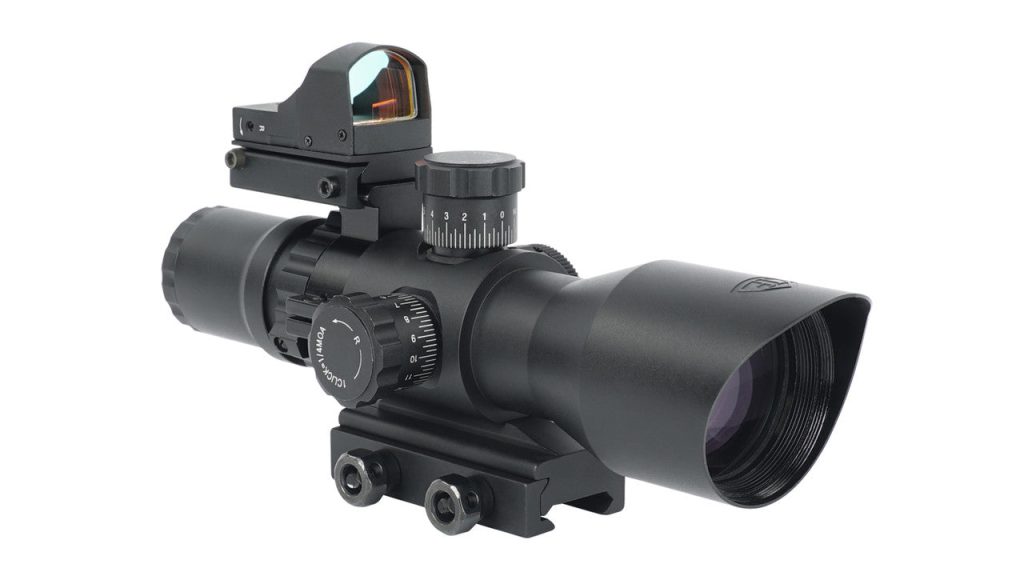
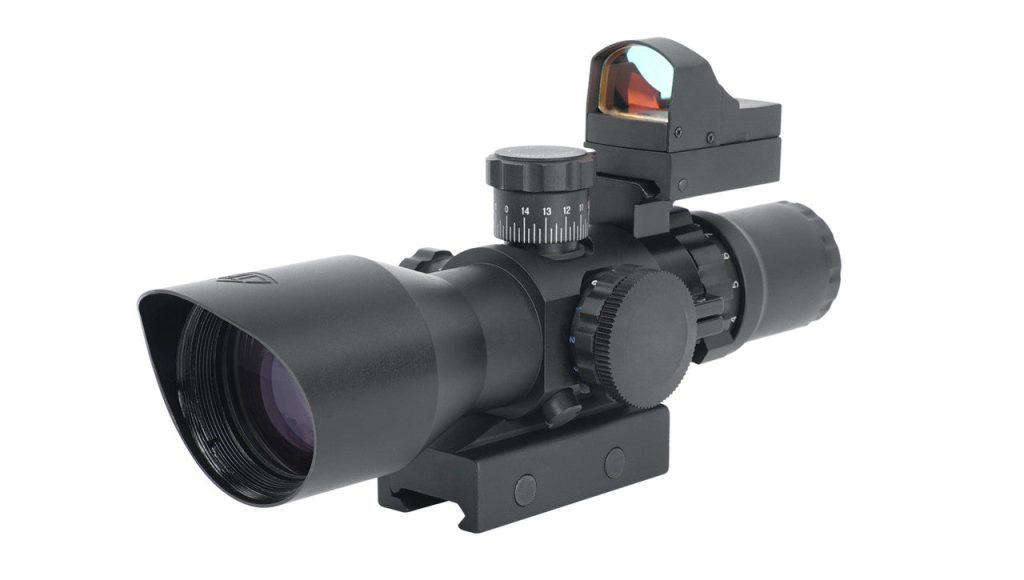
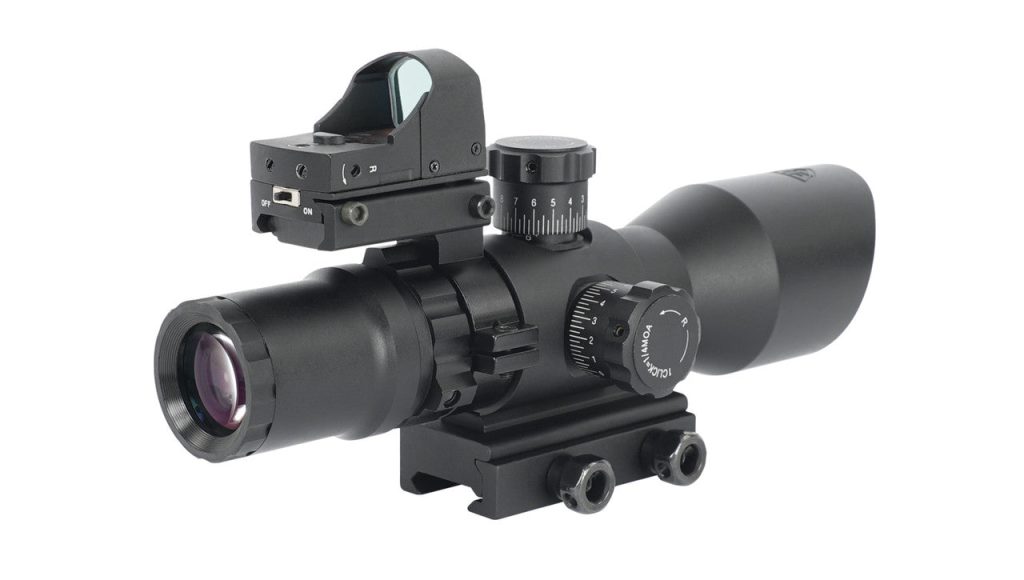
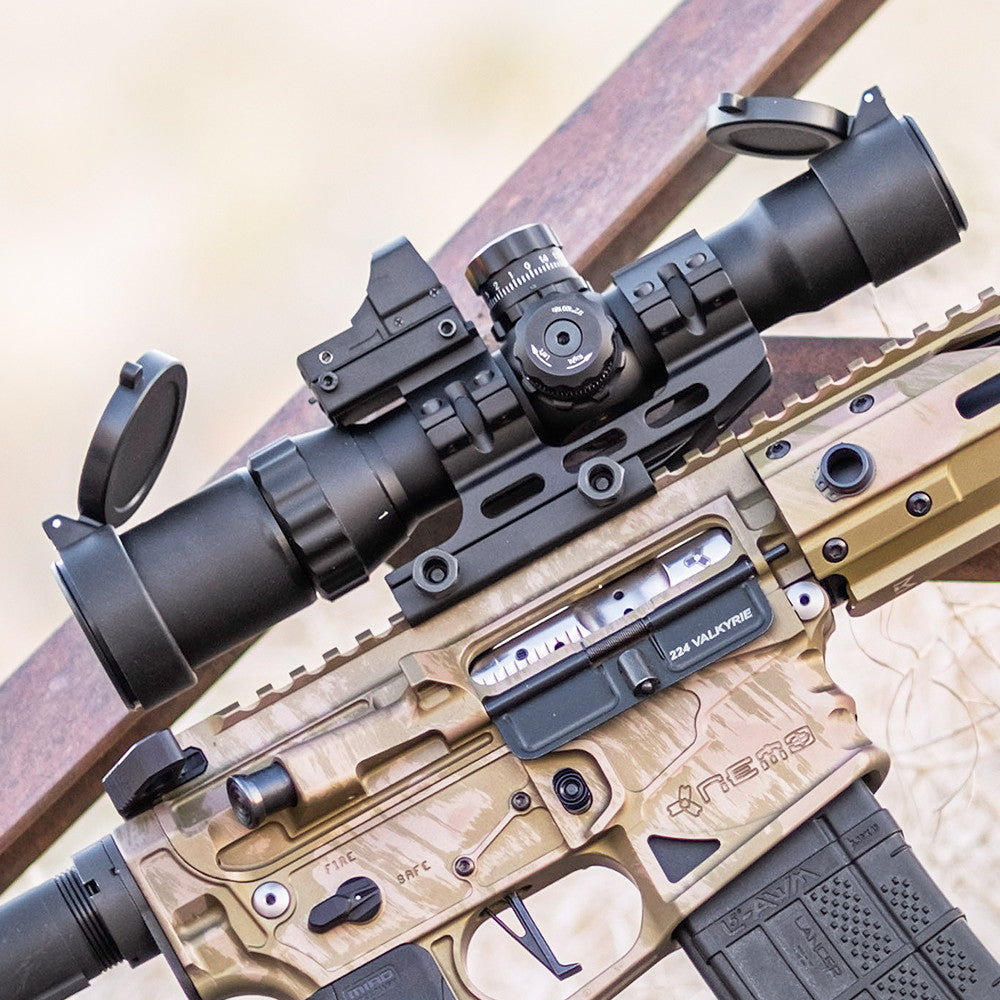
A consistent rifle is an accurate rifle. PCP platforms like the Northtac QILIN BP bullpup are popular because they offer regulated power—meaning each shot has a nearly identical velocity—in a compact package. This shot-to-shot consistency is non-negotiable for long-range accuracy. But you can’t hit what you can’t see and aim at precisely. Your scope is just as important as your rifle. For shooting past 50 yards, you need quality optics and sights with clear glass, reliable and repeatable adjustments, and a parallax adjustment to ensure your reticle and target are on the same focal plane. A mil-dot or similar holdover reticle is essential for quickly compensating for bullet drop at varying distances.
Practical Accuracy Benchmarks
So, what distances are we talking about? With the right setup and practice, here are some realistic goals:
- 50-75 Yards: Most quality PCP rifles in .22 or .25 caliber can be exceptionally accurate at this range with both pellets and slugs. This is the classic zone for small game hunting and serious plinking.
- 100-150 Yards: This is the domain of powerful .25 and .30 caliber rifles shooting slugs. Hitting a 4-inch target at 100 yards is a common benchmark. Pushing out to 150 yards requires more skill in reading wind, but is very doable.
- 200+ Yards: Welcome to the world of big-bore PCPs. With rifles in .357, .45, or .50 caliber shooting heavy, high-BC slugs, skilled shooters are consistently hitting targets at 200, 300, and even further. At this range, it becomes a true long-range discipline, requiring a deep understanding of ballistics.
Ultimately, the effective range of your PCP air rifle is a direct result of your commitment to building a complete system—rifle, ammo, and optics—and putting in the practice time to master it. Always treat every airgun as if it were loaded, and be absolutely certain of your target and what lies beyond it.